Skip to content
SideIncomeHQ
Make money from home

How to start dropshipping, honestly

Every top guide for this search is written by a platform selling you its own software. This one is not. Here is the launch sequence, the real costs, and the math the vendor guides skip.
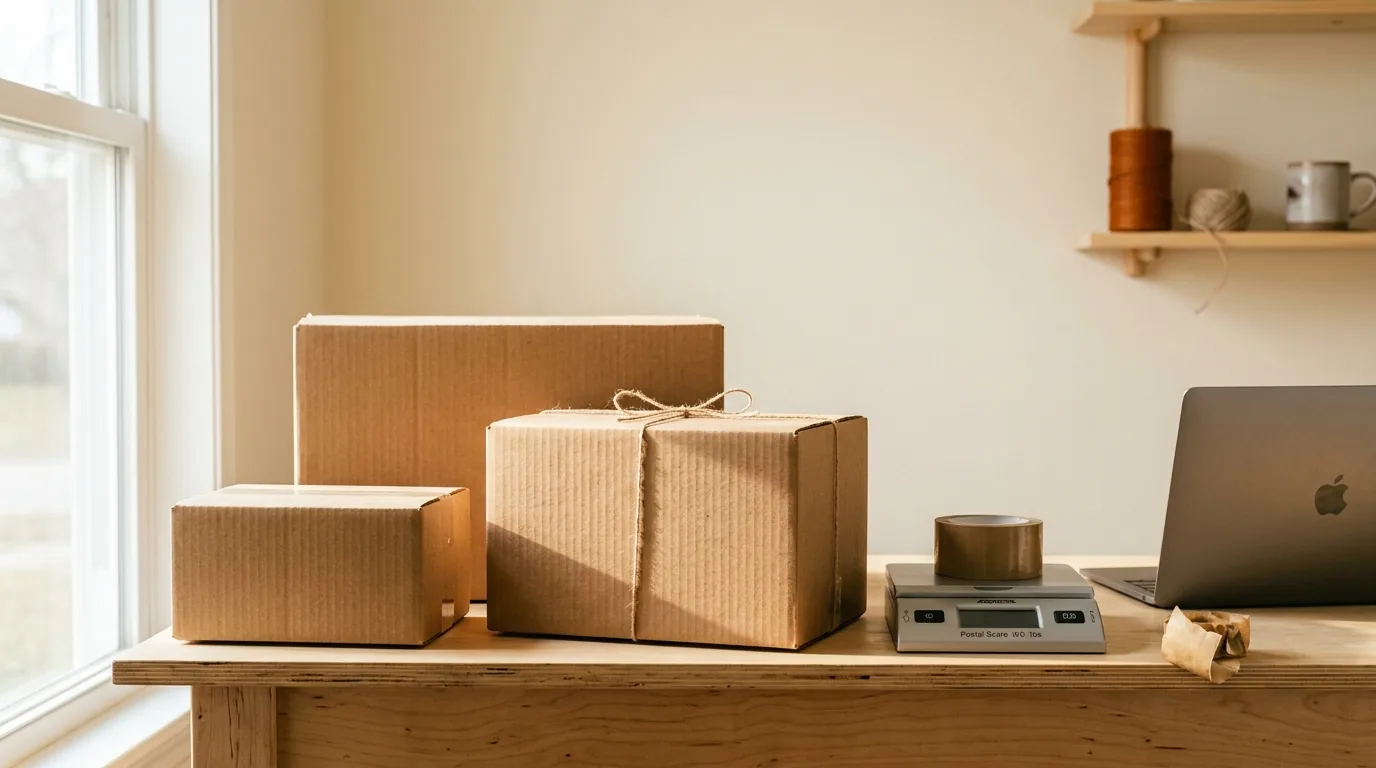
Dropshipping workflow at home: plain kraft parcels staged on a table beside a laptop and shipping scale

Dropshipping is a retail fulfilment model where you sell products online without holding inventory: a customer pays your retail price, you forward the order to a supplier at their lower price, and the supplier ships directly to the customer. Starting costs roughly $150 to $500 done lean, and the published realistic runway to meaningful income is 6 to 24 months, not a weekend.

What dropshipping is, and how the money flows

The mechanics are simple. Your store sells a product for $30. You pass the order to a supplier who charges you $12 and ships it to your customer. You keep the spread, minus fees and marketing. Legally you are the seller of record: you set the price, book the revenue, and own the sales tax and refund obligations, even though you never touch the box.

That structure is both the appeal and the catch. No inventory means low risk up front, but buying one unit at a time means you pay more per item than a bulk retailer, which is exactly why margins run thin. You compete on the store, the niche, and the marketing, never on price. If the no-inventory idea appeals but you want your own designs on the product, print on demand is the same model with differentiation built in.

What does one sale actually earn?

Run this worksheet before you build anything. Sell an item at $30. Supplier cost, $12. Payment processing, about $1.20. Ad cost per order at even a decent conversion rate, often $8 to $12. What is left is $5 to $9 on a good day, and negative on a bad one. That is the whole business in one line: your job is to push ad cost down and repeat orders up until the spread holds.

The convention most sellers use is a 2 to 2.5x markup on supplier cost, which usually lands between 10 and 20 percent net margin after everything. None of the big platform guides show you this arithmetic, and honestly, it is the arithmetic that decides whether you should start at all. A product that cannot survive the worksheet on paper will not survive it with real money.
What it really costs to start

A lean, honest launch budget in the US runs $150 to $500. That covers a store platform subscription (often with a cheap trial period), a domain at roughly $15 a year, one or two product samples so you know what your customer receives, and a small first ad test.

The "start with $0" videos are not lying about the store; free trials and free supplier accounts exist. They are quiet about everything after: transaction fees on every order, sample costs, app subscriptions, and the fact that traffic is never free. The organic-only route replaces the ad budget with weeks of daily short-form posting. That is a real trade, money for time, and you should pick it deliberately rather than discover it broke.

The seven steps
  1. 01

    Pick a niche you can defend

    Choose a category you actually understand, with problem-solving, lightweight products. Validate demand free with Google Trends, marketplace bestseller lists, and TikTok search before spending a cent. Avoid whatever gadget is already viral; you are late.

  2. 02

    Find and vet suppliers

    Compare AliExpress, CJdropshipping, AutoDS, Spocket, and US-based options, then order samples of anything you plan to sell. Time the delivery to a US address yourself. A supplier's slow shipping or broken product becomes your refund and your one-star review.

  3. 03

    Set up the store

    Any major ecommerce platform works; the platform choice matters less than the vendor guides selling you one admit. Launch with 5 to 15 products, honest descriptions, clear shipping times, and real refund, shipping, and contact pages.

  4. 04

    Handle the legal and tax basics

    In the US, most beginners start as sole proprietors and form an LLC once revenue is real. Register per your state, get an EIN if you need one, and check where you owe sales tax. Store profit is reportable income from dollar one.

  5. 05

    Get traffic without burning the budget

    Short-form video on TikTok, Reels, and Shorts is the current organic engine. Turn on paid ads only after the per-sale math works, keep tests small, and kill losing products fast. Ad cost has to sit under your margin or every order loses money.

  6. 06

    Run the daily reality

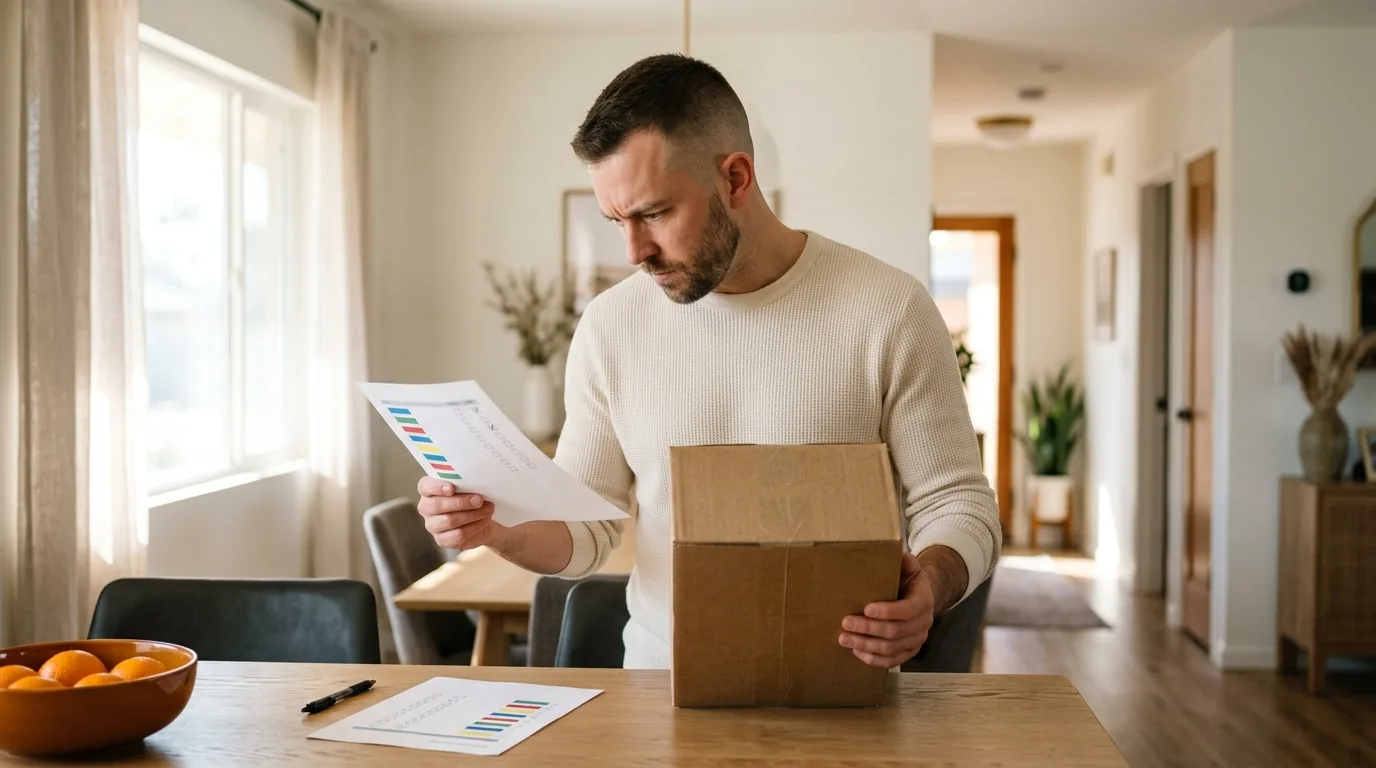
    The actual job is customer service: refund requests, where-is-my-order emails, supplier stockouts, and returns with an overseas warehouse. Budget one to three hours a day at the start. This is the part no platform guide mentions.

  7. 07

    Scale or fold, with data

    Give a product a defined test budget and a kill line before launch. Scale only what still has margin after ad spend, reinvest early profit, and expect 6 to 24 months of consistent work before meaningful income. Quitting inside the testing window is the most common ending.

Daily reality of running a dropshipping store: owner checking a plain parcel against a checklist at home

The legal and tax step, in plain English

Registering a dropshipping business in the US follows the same track as any small business: choose a structure, register with your state, and get the tax IDs you need. The SBA's ten steps to start a business walk the sequence; most beginners run as sole proprietors first and form an LLC once there is revenue worth protecting. Sales tax is the messy part, because obligations depend on where you and your customers are, and profit is reportable to the IRS whether or not any platform sends you a form.

None of the crawled platform guides cover this step properly, and skipping it is fine right up until it is not. If you want the fuller registration walkthrough, our guide to starting an online business covers structures, EINs, and licences for any online model, dropshipping included.

Why do so many dropshippers fail?

Most dropshipping stores fail for preventable, boring reasons: one viral product with no brand behind it, no cost-per-sale math until the money is gone, three-week shipping that torches trust, and quitting inside the first months of testing. The model gets blamed; the business basics were the problem.

The pattern worth noticing is that every failure cause above has a cheap prevention earlier in this guide. Samples catch the shipping problem. The worksheet catches the margin problem. The kill line catches the sunk-cost problem. A niche you understand catches the saturation problem, because you can judge products the tourists cannot. What we would tell anyone starting: your edge is not a winning product, it is being the person who did the unglamorous checks.

Is dropshipping the right model for you?

Dropshipping fits people who enjoy marketing and testing: finding angles, reading numbers, iterating fast on a physical product they never touch. It does not fit people who want to make something, or who cannot stomach customer-service work on thin margins.

If you want creative control, print on demand puts your designs on the product. If you want near-zero fulfilment headaches and better margins, selling digital products removes shipping entirely. And if you are still choosing a lane, our comparison of online business ideas scores the options side by side. Picking the model that fits you beats forcing the model that is trending.

FAQ

Dropshipping questions, answered straight

How much money do you need to start dropshipping?
A realistic lean budget is $150 to $500: platform subscription, a domain, one or two product samples, and a small ad test. You can technically open a store for almost nothing on free trials, but transaction fees, samples, and traffic still cost money. The testing budget is the real spend; starting with too little to test properly is how people quit before learning anything.
Is $100 enough to start dropshipping?
It is enough to open a store and list products, and a well-known r/dropship guide walks through exactly that. It is not enough to test paid ads with any confidence. On $100, plan to drive traffic with organic short-form video, which trades money for weeks of consistent posting. Treat $100 as a start line, not a full budget.
Is dropshipping still worth it?
It can be, but it is harder than it was. Popular products are crowded and margins are thin, so success now comes from a genuinely good store in a niche you understand and disciplined math on ad spend, not from copying a viral product. Treat it as a real retail business with a 6 to 24 month runway and it can still work.
Why do so many dropshippers fail?
The common causes are all preventable: chasing one viral product with no brand behind it, never calculating the true cost per sale, tolerating three-week shipping that kills customer trust, and quitting inside the first months of testing. Most failures are business-basics failures, not bad luck and not proof the model is dead.
Why are dropshipping margins so thin?
You buy each item only after a customer orders, so you pay a higher per-unit price than a bulk buyer would. After the supplier's cost, payment fees, and advertising, the common outcome is a 10 to 20 percent net margin on a 2 to 2.5x markup. Volume and repeat customers are what make the model add up, which is why the niche and the store matter so much.
Do you have to pay taxes on dropshipping income?
Yes. In the US, profit from an online store is reportable income even if no platform sends you a form, and depending on your state and your customers' states you may owe sales tax as well. The IRS Gig Economy Tax Center covers the reporting side. Keep clean records from your first sale.
How old do you have to be to start dropshipping?
You generally need to be 18 to open payment processing and platform accounts in your own name. Younger founders can start with a parent or guardian on the accounts, which is a common and legitimate setup. What matters legally is who the seller of record is.
Keep reading
Advertise with us